



A quiet shift in culture
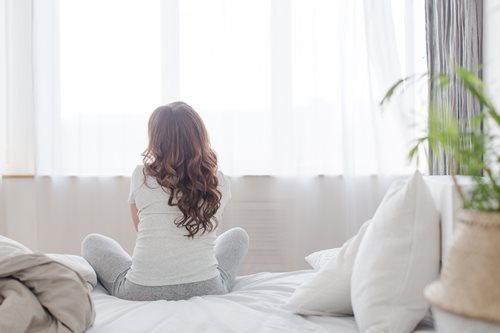
There was a time when everyone wanted to be part of the hustle. Long nights, multiple side jobs, and burnout were worn like badges of honor. But lately, something has changed. People are starting to celebrate a different kind of success, one that looks softer, slower, and more intentional.
On TikTok, #SoftLife has become more than just an aesthetic. It’s a lifestyle movement built around ease, comfort, and emotional peace. “I used to think success meant being busy,” one user shared in a viral video. “Now it means being at peace.”
Soft living isn’t about being lazy or unmotivated. It’s about choosing calm over chaos and valuing time just as much as money.
From hustle to healing
The pandemic forced people to sit still, and many realized how exhausted they truly were. The endless pressure to produce, post, and perform started to feel empty. “I was tired of being tired,” said lifestyle blogger Simone Lee. “I wanted my life to feel gentle again.”
That’s when soft living started spreading online. It looked like morning walks, cozy meals, candles, and quiet weekends. But underneath the visuals was something deeper: people reclaiming their energy.
Psychologists say the shift reflects a new awareness about burnout. “Soft living is the mind’s way of pushing back,” said Dr. Karen Ellis, a behavioral therapist. “It’s not giving up on ambition, it’s redefining it.”
The new meaning of luxury
For years, luxury was about things you could show off. Now, it’s about what you can protect. Peace, privacy, and time have become the new status symbols.
“The real flex is saying no,” wrote one tweet that got over 100,000 likes. And it’s true. In a world that constantly asks for more, slowing down feels like rebellion.
Soft living is especially popular among young adults who grew up watching their parents work endlessly. Many are deciding they want something different. “I don’t want my life to be about survival,” said one commenter. “I want it to be about living.”
Making softness practical
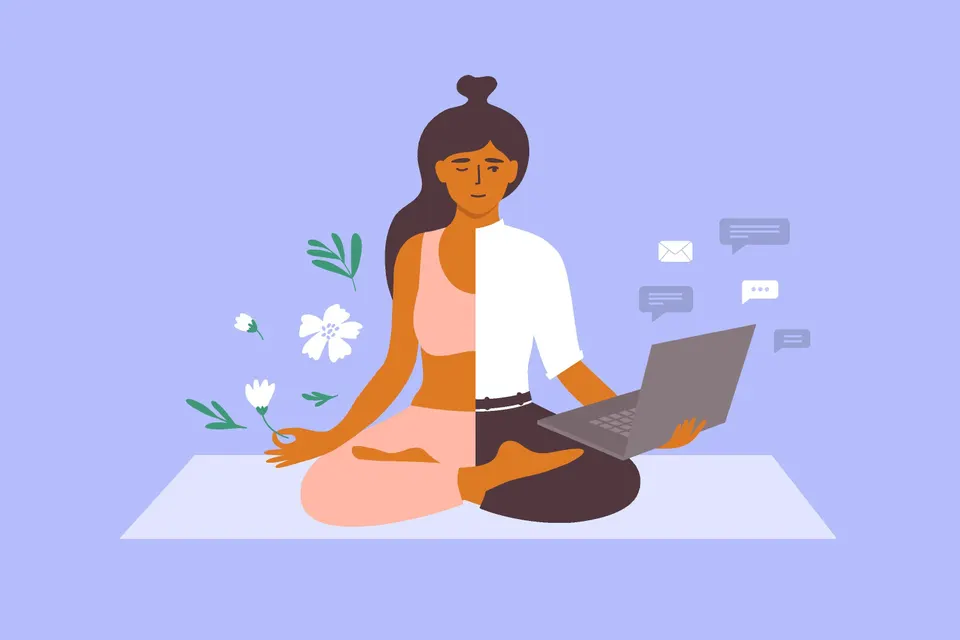
Soft living doesn’t mean avoiding responsibility. It’s about setting boundaries and moving with intention. It’s making room for things that feel good and letting go of things that drain you.
Some people express it through self-care, others through minimalism or slow mornings. For some, it’s about quitting toxic jobs or relationships. “Soft living is learning that saying no doesn’t make you weak,” said wellness coach Raina Patel. “It means you finally know what’s worth your time.”
Even small choices count. Eating slower, listening to your body, taking a day off without guilt. Every gentle act is a form of balance in a culture built on overwork.
Why softness is strength
There’s power in being gentle. Soft living isn’t the opposite of ambition, it’s ambition with peace. It’s learning how to succeed without losing yourself in the process.
As more people embrace it, the trend is becoming less of an aesthetic and more of a mindset. “I used to think softness meant fragility,” one creator said. “Now I see it as strength. It takes courage to slow down when the world tells you to keep running.”
The takeaway
Soft living isn’t about escaping life, it’s about experiencing it. It’s the art of moving at your own pace and realizing that rest is not a reward, it’s a right.
In a world obsessed with speed, slowing down is the boldest move you can make.
Enjoyed this post?
Get more tips, updates, and stories sent directly to your inbox.