


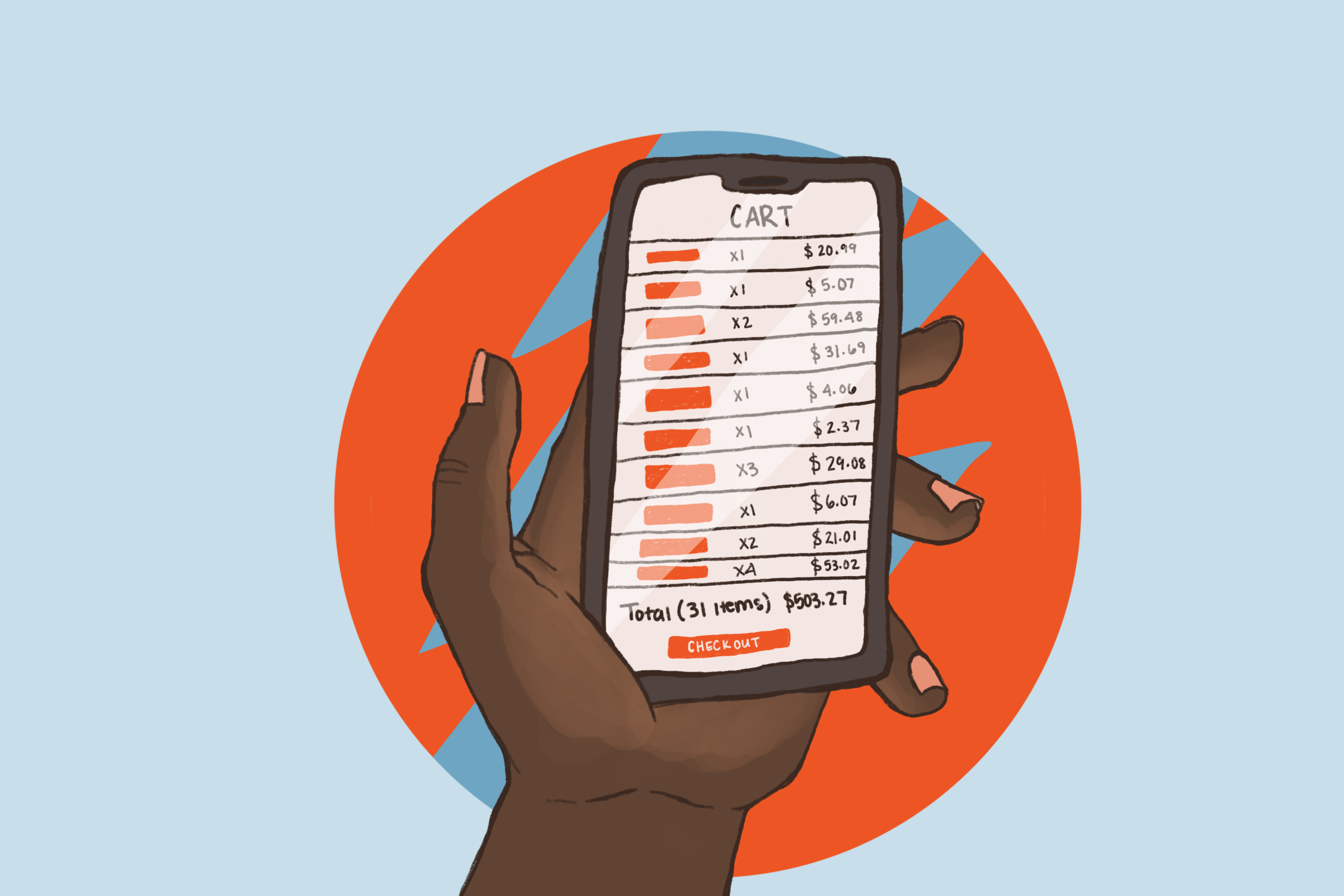
On a platform built to sell things, from skincare to sneakers to entire lifestyles, it’s surprising to see creators telling people not to buy. That’s what the deinfluencing trend on TikTok is about. It’s a quiet rebellion against the never-ending wave of product recommendations that fill our feeds.
The idea started with creators posting videos saying things like, “Don’t buy this serum,” or “You really don’t need another Stanley cup.” But behind the humor was something more serious, fatigue. People were tired of being told that happiness comes in a shopping cart.
“It’s not about hating brands,” said lifestyle creator Naomi Vance, who joined the trend early. “It’s about reminding people that they already have enough. That you don’t need ten products to feel beautiful.”
The burnout of overconsumption
TikTok made shopping fast and emotional. One 15-second clip can convince you to spend $40 without even realizing why. The constant flood of “must-haves” turned into noise, and eventually, people started tuning out.
Deinfluencing came as a response, a way to reset the relationship between creators and audiences. “People lost trust because everything started feeling like an ad,” Naomi said. “When I started being honest about what didn’t work, my followers actually grew.”
That honesty is what makes the movement powerful. It’s not anti-capitalist; it’s pro-awareness. It’s about slowing down, asking questions, and realizing that wanting less doesn’t mean settling.
The illusion of “need”
Consumer culture thrives on convincing people they’re missing something. Every week, there’s a new “essential,” a product you supposedly can’t live without. Deinfluencing flips that script by asking, do you even want it?
Dr. Lila Monroe, a behavioral psychologist, said it’s not just about shopping. “The deinfluencing trend speaks to a bigger social shift,” she explained. “People are craving authenticity. They’re realizing that constant consumption doesn’t equal happiness.”
And ironically, deinfluencing videos still go viral, which says a lot about what audiences actually value now: transparency over sales pitches.
What comes next
Of course, like any trend, deinfluencing is evolving. Some creators use it ironically, while others blend it with sustainable fashion or minimalism. But whether serious or playful, the core message is clear, being selective is the new status symbol.
“Luxury used to mean having more,” said Naomi. “Now it’s about choosing better.”
Maybe that’s the point. In a world of endless recommendations, the most radical thing you can do is stop scrolling, close the app, and realize you already have enough.
Enjoyed this post?
Get more tips, updates, and stories sent directly to your inbox.