




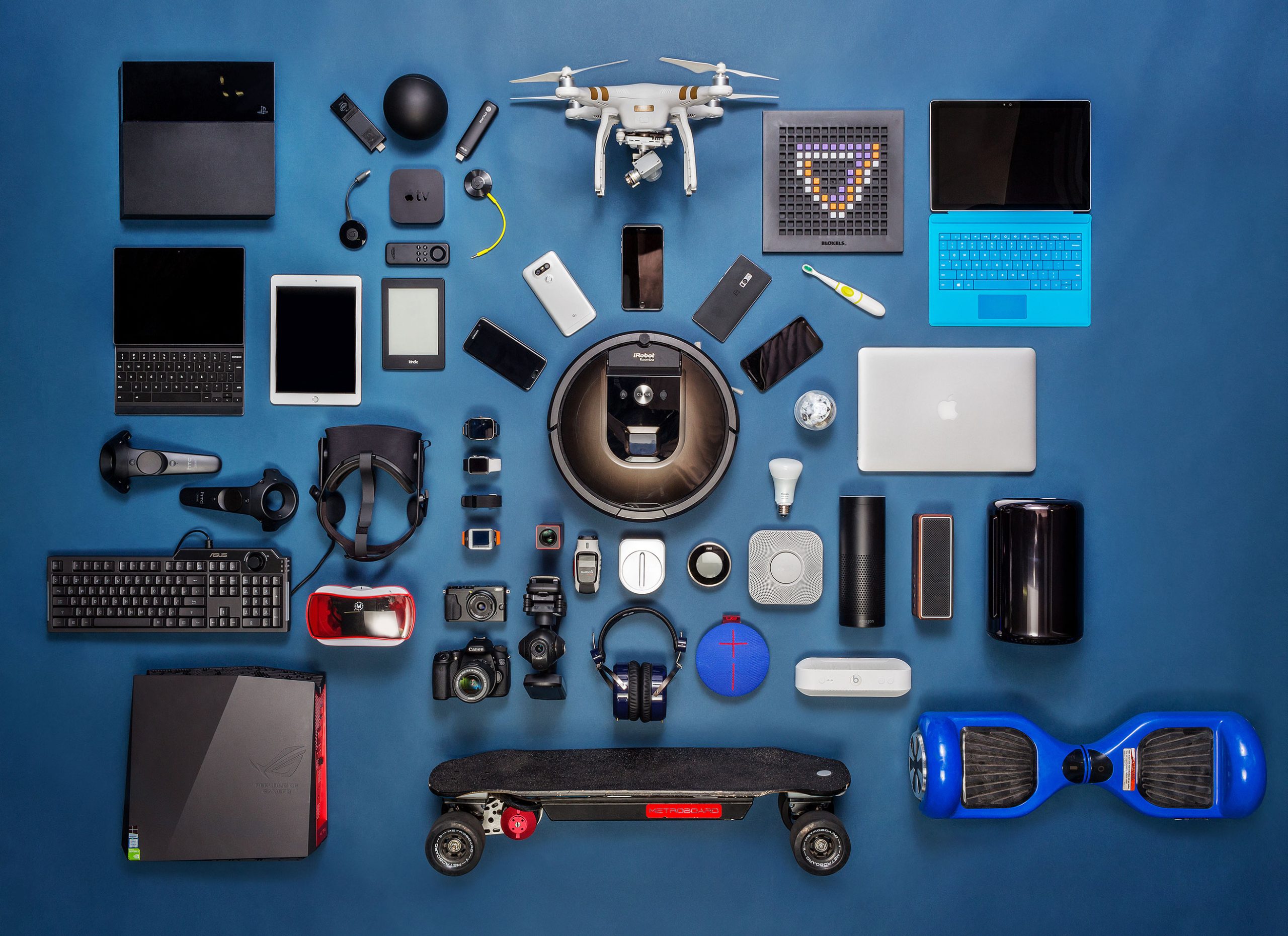
It started small, a smartwatch here, a smart speaker there. Now, our homes, cars, and even our daily habits are connected through devices that talk to each other more than we talk to people. From fridges that tell you what’s missing to lamps that adjust your lighting based on mood, smart gadgets have quietly become the background noise of modern life.
But as they get smarter, we have to ask, are we still in control, or are the gadgets calling the shots?
The comfort of connection
Smart technology was built around one promise: convenience. One tap, one voice command, one glance at your wrist, and your world responds. For many, that’s life-changing. A morning that once meant rushing around can now start with a quiet, “Hey Google, what’s the weather?” followed by coffee brewed automatically.
“I love that my house adjusts to me,” said tech enthusiast Leila Cruz. “It feels like it knows what I need before I do.”
It’s hard to argue with that kind of comfort. Smart gadgets free up time, reduce stress, and even help people manage health, sleep, and safety.
The invisible trade-off
But that ease comes with an invisible cost, dependence. Every command we give teaches us to rely a little more on machines and think a little less for ourselves.
“It’s subtle,” said sociologist Dr. Aaron Fields. “The more convenience we gain, the more agency we quietly give away.”
We no longer memorize phone numbers or directions because our devices do it for us. We track our steps, calories, and sleep through sensors instead of intuition. It’s not necessarily bad, but it’s different.
And when smart gadgets fail, Wi-Fi drops, batteries die, servers go down, everyday life suddenly feels harder than it should.
The data behind the comfort
There’s also the question of privacy. Most smart devices collect data to improve performance, but that data doesn’t just disappear. It’s analyzed, stored, and sometimes sold. “People underestimate how much information they’re giving away,” Dr. Fields said. “Every convenience has a data footprint.”
That doesn’t mean we should reject technology, but it’s a reminder that awareness matters. Understanding how your gadgets work, and what they take in return, is part of being a conscious consumer.
Finding balance
Maybe the answer isn’t to stop using smart devices but to redefine our relationship with them. Let technology serve your life, not shape it. Turn off what doesn’t serve you, and stay present in what does.
“I used to ask Alexa to play music every morning,” Leila said. “Now I just open my window and listen to the neighborhood wake up.”
Smart gadgets can make our lives easier, but they shouldn’t make them smaller. The real goal isn’t just convenience, it’s connection, and that starts with being human enough to unplug sometimes.
Enjoyed this post?
Get more tips, updates, and stories sent directly to your inbox.